
Seminole Flower Planting Services
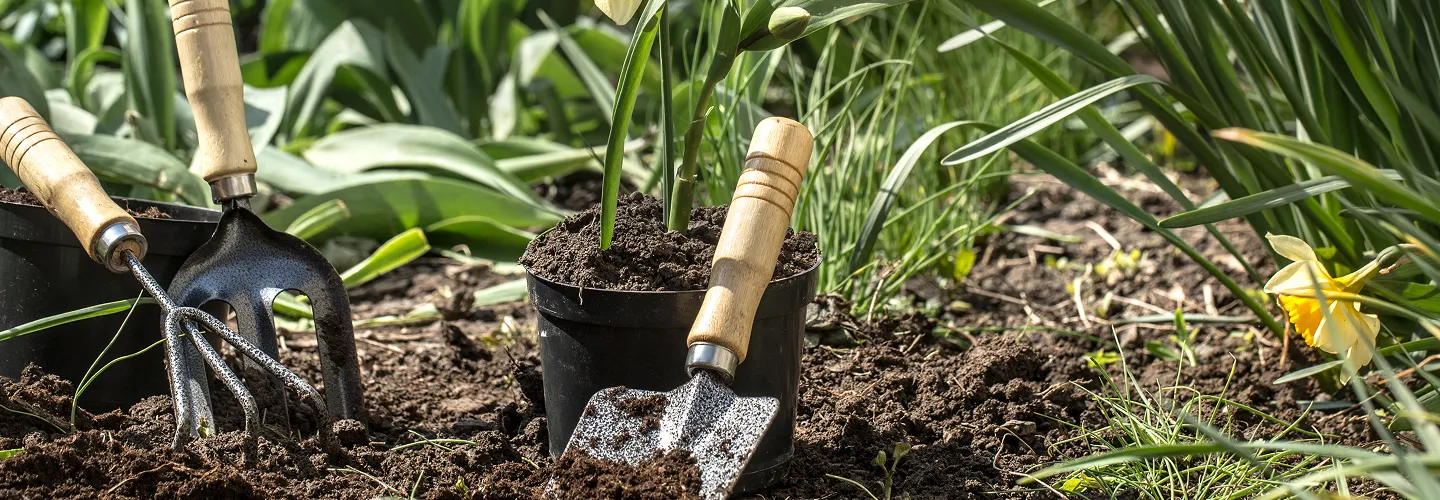
Choose our flower planting services for vibrant, expertly arranged blooms that enhance your curb appeal and thrive in Seminole’s unique climate—bringing lasting beauty to your home or business.
Get a Free QuoteOur Seminole Landscaping & Yard Care Services
When to Schedule Flower Planting in Seminole, Florida – Seasonal Guide
Flower planting in Seminole, Florida, is best scheduled with careful attention to our region’s unique subtropical climate and local landscape features. The optimal planting windows typically fall between late winter and early spring, as well as early fall, when temperatures are moderate and rainfall is more predictable. In neighborhoods like Seminole Grove Estates and near Lake Seminole Park, residents benefit from slightly cooler microclimates and well-drained soils, making these periods ideal for establishing vibrant flower beds.
Local environmental factors play a significant role in determining the best time for planting. Seminole’s last frost date usually occurs in late January, allowing for early spring planting without risk of cold damage. However, summer months bring high humidity and the potential for drought, so it’s important to select planting times that avoid the peak heat and heavy rainfall. Areas with dense shade from mature oaks, such as those near Blossom Lake Park, may require different timing and flower varieties compared to sunnier, open lots. For more detailed local guidelines, consult resources like the Sudbury town website.
Local Factors to Consider for Flower Planting in Seminole
- Tree density and shade coverage in your yard
- Soil type and drainage, especially in low-lying areas
- Seasonal precipitation patterns and drought risk
- Proximity to landmarks like Lake Seminole or Blossom Lake Park
- Municipal restrictions or watering schedules
- Terrain variations, such as sloped versus flat lots
Benefits of Flower Planting in Seminole
Enhanced Curb Appeal
Expert Plant Selection
Seasonal Color Variety
Professional Landscape Design
Low-Maintenance Solutions
Increased Property Value
Seminole Flower Planting Types

Perennial Flower Beds
Perennial flower beds offer long-lasting color and require minimal replanting each year.
-
Annual Flower Displays
Annual flower displays provide vibrant seasonal color and can be changed each year for variety.
-
Native Wildflower Gardens
Native wildflower gardens support local pollinators and thrive in Seminole's climate.
-
Shade Garden Plantings
Shade garden plantings feature flowers that flourish in low-light areas of your landscape.
-
Butterfly and Pollinator Gardens
Butterfly and pollinator gardens attract beneficial insects and enhance biodiversity.
-
Container Flower Arrangements
Container flower arrangements add flexibility and color to patios, decks, and entryways.
-
Drought-Tolerant Flower Beds
Drought-tolerant flower beds conserve water while maintaining beautiful blooms.
Our Flower Planting Process
Site Evaluation
Soil Preparation
Plant Selection
Careful Planting
Watering and Mulching
Why Choose Seminole Landscape Services
-
Seminole Homeowners Trust Us
-
Expert Lawn Maintenance
-
Reliable Scheduling
-
Competitive Pricing
-
Professional Team
-
Satisfaction Guarantee
-
Personalized Service
Coordinating Flower Planting with Seminole’s Parks and Recreation and Public Works
Flower planting in Seminole, FL, often involves coordination with city departments to ensure that public spaces, rights-of-way, and drainage systems are protected during landscape improvements. For projects in public-facing areas or near city infrastructure, residents and property managers should verify whether the City of Seminole Parks and Recreation Department requires notification or review, especially for plantings adjacent to parks, medians, or community centers. Additionally, the Public Works Department may provide guidance on protecting storm drains and swales from soil or mulch runoff during installation. Practical steps include:
- Confirming if the planting area is within a city easement or right-of-way
- Using erosion control measures to prevent sediment from entering drainage systems
- Scheduling planting activities to avoid interference with municipal maintenance or debris collection
City of Seminole Parks and Recreation
9100 113th Street North, Seminole, FL 33772
Phone: (727) 391-8345
Official Website: City of Seminole Parks and Recreation
How Seminole’s Gulf Coast Climate and Soils Shape Flower Planting Success
Seminole is situated in the Gulf Coast Florida region, characterized by high humidity, intense summer heat, and a pronounced wet season from late spring through early fall. These conditions directly influence flower planting outcomes:
- Soils are predominantly sandy or fill-based, leading to rapid drainage and increased irrigation needs for new plantings
- The USDA Plant Hardiness Zone for Seminole is 10a, supporting a wide range of subtropical and tropical flowering species, but also requiring attention to heat and salt tolerance
- Proximity to canals, lakes, and stormwater retention areas means that runoff from beds can quickly reach sensitive water bodies, making mulch and hydrozoning essential for both plant health and environmental protection
For more on local soils, consult the USDA Web Soil Survey. For plant selection and climate adaptation, refer to the USDA Plant Hardiness Zone Map.
Regulatory Considerations for Flower Planting in Seminole, FL
Flower planting on private property in Seminole generally does not require a permit unless the project involves significant grading, irrigation system installation, or work within public rights-of-way. However, compliance with city codes regarding visibility, drainage, and property maintenance is essential. The City of Seminole Code Enforcement Division oversees these standards and may address issues such as overgrown vegetation or improper debris disposal. When planting near storm drains, canals, or retention ponds, residents must prevent soil, mulch, and fertilizer runoff to comply with Florida DEP’s NPDES Stormwater Program. For fertilizer use, the Florida-Friendly Fertilizer Ordinances App provides guidance on local restrictions.
City of Seminole Code Enforcement
9199 113th Street North, Seminole, FL 33772
Phone: (727) 391-0204
Official Website: City of Seminole Code Enforcement
Professional Standards and Seasonal Timing for Flower Planting in Seminole
Successful flower planting in Seminole requires attention to both timing and technique, given the city’s climate and soil conditions. Key professional standards include:
- Scheduling major plantings in late winter or early spring, before the onset of peak summer heat and heavy rainfall
- Amending sandy soils with organic matter to improve moisture retention and nutrient availability
- Using mulch to suppress weeds, moderate soil temperature, and reduce runoff into adjacent swales or storm drains
- Selecting region-appropriate species that tolerate humidity, salt exposure (where relevant), and periodic flooding
- Installing drip or micro-irrigation systems to maximize water efficiency and comply with EPA WaterSense Outdoors recommendations
For additional guidance on Florida-adapted planting methods, see UF/IFAS Gardening Solutions - Lawns.
City of Seminole Plant and Tree Information
9199 113th Street North, Seminole, FL 33772
Official Website: City of Seminole Plant and Tree Information
What Neighborhoods Do We Serve Throughout Seminole, FL?
- Seminole Grove Estates This area features mature landscaping and larger lots, often requiring careful drainage planning for new flower beds.
- Oakhurst Oakhurst’s proximity to lakes and canals means flower planting must account for runoff and water quality protection.
- Tara Cay With its townhome layout and shared green spaces, Tara Cay benefits from coordinated planting and irrigation management.
- Seminole Lake Country Club This neighborhood’s golf course adjacency and expansive lawns create opportunities for extensive flower displays, but also require attention to irrigation efficiency.
- Williamsdale Square Williamsdale Square’s older lots and established tree canopy provide both shade and root competition, influencing flower selection and bed placement.
- Bayhaven Bayhaven’s coastal exposure and sandy soils necessitate salt-tolerant and drought-adapted flower choices.
- Orange Blossom Ridge This subdivision’s newer fill-based lots may experience rapid drainage, making soil amendment and mulch especially important for flower bed success.