
Seminole Lawn Mowing Services
Choose our lawn mowing service for reliable, professional results that keep your yard looking its best all season long. Our experienced team uses top-quality equipment and attention to detail to ensure your lawn is healthy, beautiful, and the envy of the neighborhood.
Get a Free QuoteOur Seminole Landscaping & Yard Care Services
When to Schedule Lawn Mowing in Seminole, Florida – Seasonal Guide
In Seminole, Florida, the timing of your lawn mowing schedule is crucial for maintaining a healthy, vibrant yard. The region’s subtropical climate means grass grows most vigorously from late March through October, with peak growth during the humid summer months. However, local factors such as the proximity to Lake Seminole, the shade from mature oaks in neighborhoods like Seminole Grove Estates, and the sandy, well-draining soils common in the area all play a role in determining the best mowing frequency.
Homeowners should also consider the last frost date, typically in early February, before resuming regular mowing. During periods of drought risk or high humidity, adjusting your mowing schedule can help prevent stress on your lawn. For more information on local environmental guidelines, visit the official Seminole resources.
Local Factors to Consider for Lawn Mowing in Seminole
- Tree density and shade coverage (e.g., areas near Blossom Lake Park)
- Soil type and drainage, especially in coastal neighborhoods
- Seasonal precipitation patterns and risk of drought
- Municipal restrictions or watering schedules
- Terrain variations, such as sloped yards or low-lying areas prone to pooling
Benefits of Lawn Mowing in Seminole
Consistent Curb Appeal
Healthier Grass Growth
Weed and Pest Prevention
Time and Effort Savings
Professional Equipment Use
Reliable Scheduling
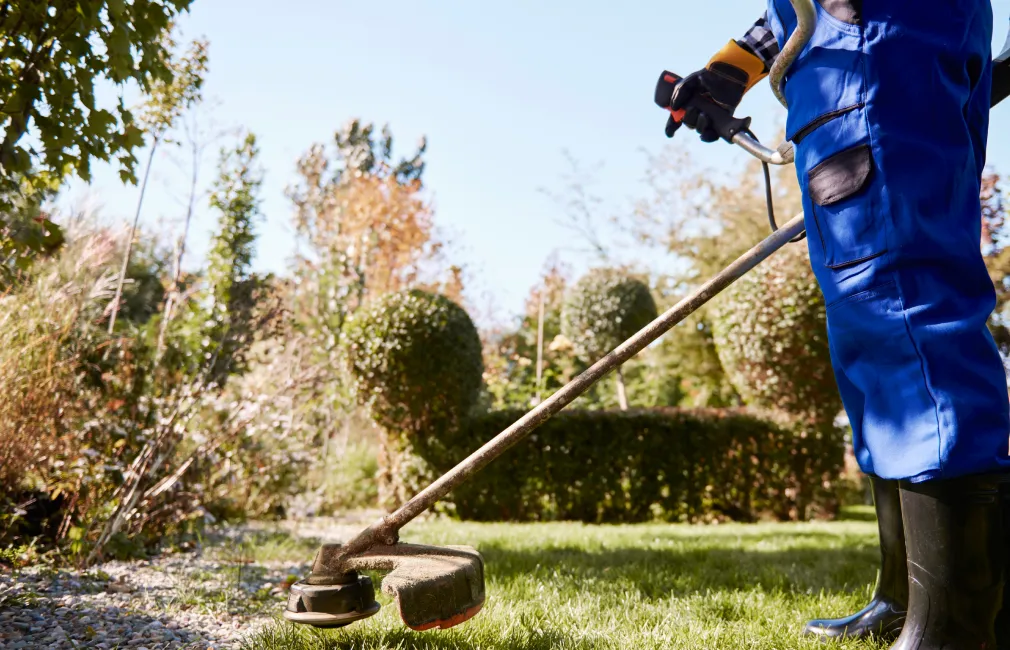
Seminole Lawn Mowing Types

Residential Lawn Mowing
-
Commercial Lawn Mowing
-
Zero-Turn Mowing
-
Push Mower Services
-
Riding Mower Services
-
Edging and Trimming
-
Seasonal Lawn Maintenance
Our Lawn Mowing Process
Site Evaluation
Lawn Preparation
Mowing Execution
Edging and Trimming
Cleanup
Why Choose Seminole Landscape Services
-
Seminole Homeowners Trust Us
-
Expert Lawn Maintenance
-
Reliable Scheduling
-
Competitive Pricing
-
Professional Team
-
Satisfaction Guarantee
-
Personalized Service
Coordinating Lawn Mowing with Seminole’s Public Works and Stormwater Programs
Lawn mowing in Seminole, FL, is closely tied to city operations that protect drainage systems and public rights-of-way. Residents and property managers must ensure that grass clippings and yard debris are not left in streets, swales, or near storm drains, as these materials can obstruct water flow and contribute to nutrient pollution in local waterways. The City of Seminole Public Works Department manages vegetative debris collection and maintains drainage infrastructure. Proper disposal of lawn clippings—either through municipal yard waste collection or composting on-site—helps prevent blockages and supports compliance with city stormwater management goals. For large-scale mowing or after storm events, verify current collection procedures and avoid placing debris where it may enter canals or stormwater inlets.
City of Seminole Public Works Department
8400 79th Avenue, Seminole, FL 33777
Phone: 727-391-4820
Official Website: City of Seminole Public Works Department
How Seminole’s Gulf Coast Climate and Soils Shape Lawn Mowing Needs
Seminole is situated in the Gulf Coast Florida region, characterized by high humidity, intense summer heat, and a pronounced wet season from late spring through early fall. These conditions accelerate turf growth, especially for warm-season grasses such as St. Augustinegrass and bahiagrass, which are common in local landscapes (UF/IFAS Lawns). The area’s sandy and fill-based soils, as identified by the USDA Web Soil Survey, drain quickly but are prone to nutrient leaching, requiring careful management of mowing height and irrigation. Additionally, Seminole’s proximity to canals, lakes, and stormwater retention areas means that runoff from improperly managed lawns can impact water quality. Residents should be aware of:
- Rapid turf growth during the wet season, necessitating more frequent mowing
- High water table and drainage sensitivity in low-lying or waterfront areas
- Increased fungal pressure due to humidity, especially if turf is mowed too low or watered late in the day
Regulatory Considerations for Lawn Mowing and Environmental Compliance in Seminole
Lawn mowing activities in Seminole are subject to both municipal and state-level regulations designed to protect neighborhood standards and water quality. The City of Seminole Code Enforcement oversees property maintenance, including requirements to prevent overgrown grass and accumulation of yard debris. Clippings and yard waste must not be deposited in public rights-of-way or storm drains, as this can violate local codes and contribute to stormwater pollution. Florida’s NPDES Stormwater Program and the Clean Water Act provide additional regulatory context, emphasizing the importance of keeping grass clippings, sediment, and fertilizer granules out of drainage systems. For properties adjacent to canals or retention ponds, extra care should be taken to prevent runoff and debris migration. Noise ordinances may also apply to mowing equipment, particularly during early morning or evening hours; verify current requirements with the city.
City of Seminole Code Enforcement
9199 113th Street, Seminole, FL 33772
Phone: 727-391-0204
Official Website: City of Seminole Code Enforcement
Professional Lawn Mowing Standards and Seasonal Timing in Seminole’s Climate
Effective lawn mowing in Seminole requires adapting to the region’s warm, humid climate and rapid turf growth cycles. Professional standards recommend maintaining St. Augustinegrass at a height of 3.5 to 4 inches and bahiagrass at 3 to 4 inches, as outlined by UF/IFAS Lawn Maintenance and Care. Key timing and technique considerations include:
- Mow frequently during the wet season to avoid removing more than one-third of the leaf blade at a time
- Schedule mowing during cooler parts of the day to reduce turf stress
- Leave clippings on the lawn when possible to recycle nutrients, but remove excess clippings to prevent smothering
- Avoid mowing when grass is wet to reduce disease risk and soil compaction
- Coordinate irrigation so turf is not excessively wet at mowing time, following any local water restrictions (UF/IFAS Water Restrictions)
Proper mowing supports healthy turf, minimizes runoff, and helps maintain compliance with city and state environmental standards.
What Neighborhoods Do We Serve Throughout Seminole, FL?
- Seminole Lake Country Club: Features mature landscaping, large lots, and proximity to water bodies, requiring careful clipping management to protect drainage.
- Oakhurst Groves: Known for established shade trees and older homes, with lawns that often border swales and require attention to runoff.
- Bardmoor: Contains a mix of newer and older subdivisions with fill-based soils and active irrigation systems, influencing mowing frequency.
- Seminole Grove Estates: Characterized by moderate lot sizes and HOA landscaping standards, with a focus on uniform turf appearance.
- Williamsdale Square: Includes smaller lots and urban drainage features, where curbside debris management is especially important.
- Tara Cay Sound: Waterfront townhomes and villas with sensitive canal and pond adjacency, necessitating strict clipping containment.
- Seminole Trails: Features newer development patterns, fill soils, and stormwater retention areas, impacting mowing and debris disposal logistics.